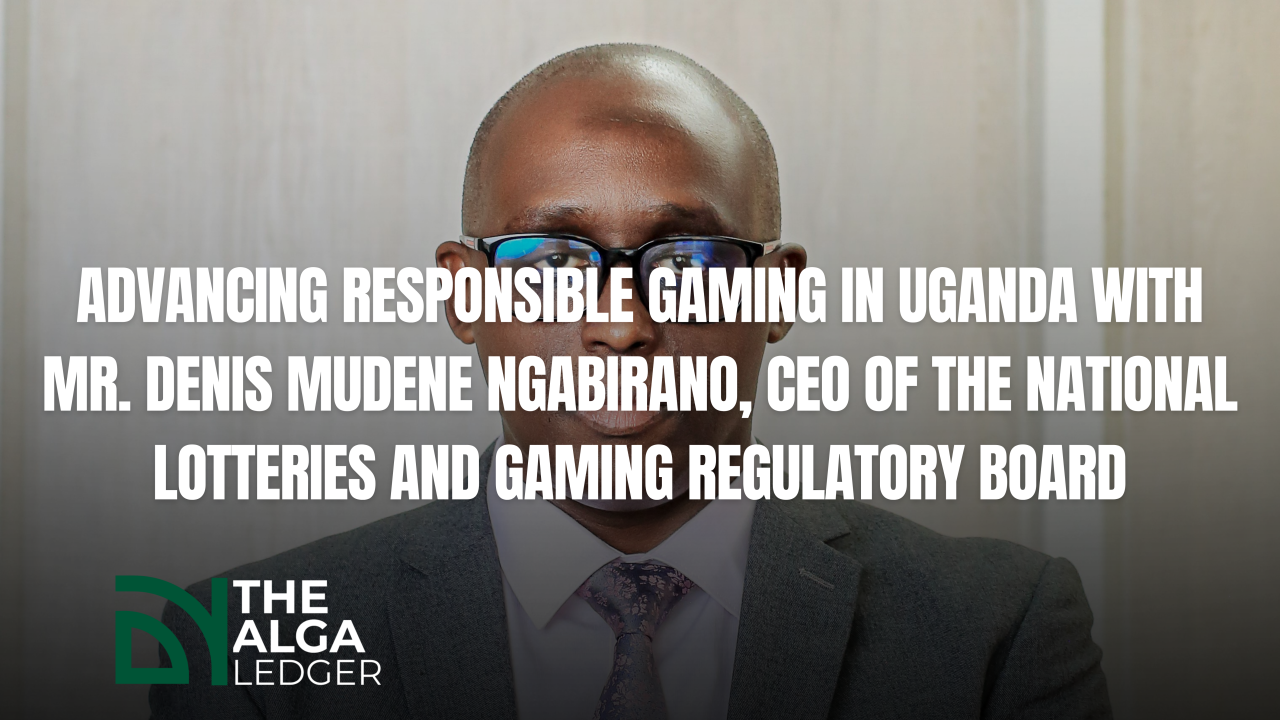
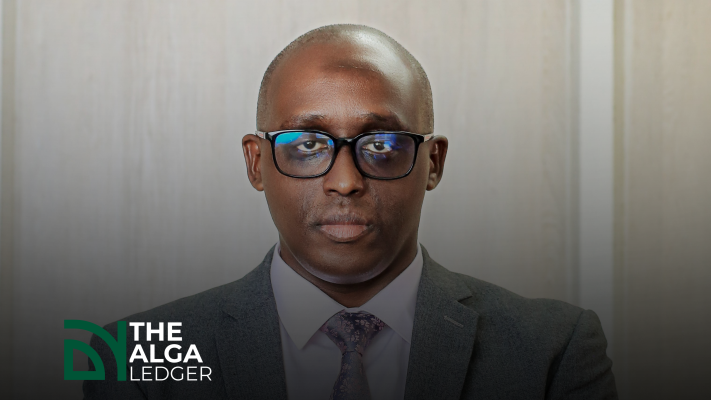
Advancing Responsible Gaming in Uganda with Mr. Denis Mudene Ngabirano, CEO of the National Lotteries and Gaming Regulatory Board
Africa is on the cusp of a significant transformation in its gaming landscape, driven by rapid digital adoption, expanding mobile access, and a growing appetite for regulated entertainment. As markets across the continent continue to mature, the focus is no longer solely on growth, but on how that growth is governed, sustained, and aligned with player protection. While “responsible gambling” has become a widely used industry phrase, often reduced to a compliance requirement or surface-level messaging, some regulators are taking a more deliberate and structured approach.
In Uganda, the National Lotteries and Gaming Regulatory Board is demonstrating what meaningful, system-driven regulation can look like in practice, combining technology, policy, and community engagement to build a safer gaming environment. In a conversation with its CEO, Denis Mudene Ngabirano, it becomes clear that responsible gaming is not treated as a standalone initiative, but as an integrated framework embedded across licensing, enforcement, stakeholder collaboration, and public education.
_________________________________________________________________________
Q1: Uganda’s gaming sector is growing rapidly. From your perspective as CEO of the National Lotteries and Gaming Regulatory Board, what are the top priorities for ensuring a safe and responsible gaming environment for players?
As a regulator, our starting point is clear: a safe gaming environment begins with licensing the right operators. We place strong emphasis on rigorous due diligence before any operator is licensed. This ensures that only entities with the required financial integrity, technical capacity, and commitment to responsible gaming are allowed to operate in Uganda. By getting this foundation right, we significantly reduce risks to players and the broader sector.
Beyond licensing, we enforce continuous compliance through systems such as the National Central Electronic Monitoring System (NCEMS), which provides oversight of gaming activities. This allows us to monitor operator behavior, enforce standards, and ensure the consistent application of responsible gaming tools such as self-exclusion, betting limits, and time controls.
We also recognize that regulation alone is not enough. That is why we invest in public awareness and education, reinforcing that gaming should strictly be viewed as a form of entertainment, not a source of income. In addition, we prioritize strategic partnerships with key stakeholders, including financial institutions, law enforcement, mental health experts and civil society organizations. These collaborations strengthen enforcement, enhance player protection, and support prevention and rehabilitation efforts.
Ultimately, our approach is holistic: strong entry controls through licensing, continuous oversight through technology, and sustained impact through awareness and partnerships which all work together to ensure a safe, transparent, and well-regulated gaming environment.
Q2: What key messages should be communicated to players, operators, and regulators in Uganda to strengthen awareness and prevention of gaming-related harm?
While public awareness remains an ongoing priority, targeted campaigns give us a strategic opportunity to intensify engagement and drive meaningful action. For players, the message is clear: play responsibly and within your means. Gaming should never be seen as a way to solve financial challenges. We also encourage individuals to recognize early warning signs, such as chasing losses or borrowing money to gamble, and to seek help if they feel gaming is becoming a problem.
For operators, we emphasise that responsible gaming is not just a regulatory requirement; it is a duty of care. Operators must go beyond compliance and actively design products and systems that promote safer gaming behaviors. This includes early detection of risky patterns and timely intervention.
Our focus is on building a comprehensive prevention ecosystem. We are placing greater emphasis on education, forging stronger partnerships with key institutions, and investing in support systems that address gaming-related harm holistically. Enforcement remains important, but it is only one part of a broader strategy. We are also working to normalize help-seeking behavior by promoting access to counseling services and reducing the stigma associated with problem gambling. We are actively pursuing partnerships with community-level health structures, including Village Health Teams (VHTs), Uganda’s network of community health volunteers established under the Ministry of Health as well as other frontline stakeholders who interact directly with communities.
By training these actors to identify early signs of problem gambling and connect individuals to appropriate support, we aim to extend our reach beyond regulatory boundaries and into communities where harm most often occurs. Ultimately, responsible gaming is a shared responsibility, and meaningful progress will only come through collective effort.
Q3: Effective regulation often depends on collaboration with operators, advocacy organisations, and other stakeholders. How is your Board engaging with these groups to advance responsible gaming and protect vulnerable players?
We firmly believe that effective regulation cannot be achieved in isolation. It requires strong collaboration across the entire ecosystem. We maintain regular engagements with licensed operators to align on compliance expectations, emerging risks, and industry best practices. These engagements also provide a platform for dialogue, ensuring that regulation evolves alongside the industry.
In addition, we work closely with civil society organisations and advocacy groups to support awareness campaigns, research initiatives, and rehabilitation programs for individuals affected by gaming harm. We have also strengthened inter-agency collaboration with key stakeholders such as financial institutions and law enforcement agencies. This coordinated approach enhances our ability to monitor activities, enforce compliance, and protect players.
Importantly, we involve stakeholders in the policy development process. By adopting a consultative approach, we ensure that our regulatory frameworks are practical, inclusive, and effective.
Q4: With the rise of digital and mobile betting platforms, what measures is the Board implementing to ensure that innovation does not compromise player protection and responsible gaming standards?
The growth of digital and mobile betting platforms has significantly transformed the gaming landscape, and while this innovation is welcome, it must be accompanied by strong safeguards.
The progress we have made as a regulator is largely due to strong collaboration with stakeholders, including the Ministry of Health (MOH), the Uganda Communications Commission (UCC), Uganda Police Force, and technology providers among others. These partnerships have strengthened our monitoring capabilities, improved enforcement, and enabled us to benchmark our practices against both regional and international standards.
This growth reflects not only better enforcement but also stronger partnerships with operators who are increasingly aligning with regulatory expectations. Our approach is consultative; we involve stakeholders in shaping policies to ensure that regulation is both effective and practical.
Q5: Illegal and unregulated gaming can undermine both consumer protection and revenue streams. What strategies is your Board prioritising to combat these risks and strengthen compliance across Uganda?
Illegal and unregulated gaming remains one of the most significant challenges facing the sector.
To address this, we have intensified enforcement efforts, including targeted operations against illegal operators and the use of digital surveillance to detect unlicensed activities. Collaboration with the Uganda Police Force, local leaders, and the Standards, Utilities and Wildlife Court support enforcement and prosecution, while ongoing legal reforms aim to introduce stricter penalties.
We have also rolled out Operation “Mashine Haramu” (meaning operation against “illegal machines”), a targeted enforcement initiative to remove unlicensed gaming machines from communities. The operation has significantly reduced illegal gaming, strengthened public protection, and reinforced a safer, more regulated gaming environment.
Public awareness is another critical component of our strategy. We are educating players on the risks associated with unlicensed platforms, including lack of player protection and potential financial loss.
At the same time, we are streamlining our licensing processes to encourage operators to formalize their activities. A well-regulated market benefits both the industry and the broader economy.
Q6: Drawing on your experience as a regulator, what advice would you give to other African gaming regulators and organisations working directly with individuals affected by gambling harm to enhance responsible gambling practices across the continent?
Africa’s gaming sector is expanding rapidly, and Uganda’s experience offers valuable lessons. One key takeaway is the importance of investing in technology. The introduction of centralized monitoring systems has significantly improved transparency, enabling us to track transactions in gaming activity and enhance compliance.
Secondly, regulators must balance economic contribution with social responsibility. The sector contributes substantially to government revenue and the broader economy, and it is our responsibility to ensure this growth does not come at the expense of consumer welfare.
If we take a proactive and collaborative approach, Africa has the potential to lead globally in responsible gaming.
_________________________________________________________________________
As Uganda continues to strengthen its regulatory framework, the approach taken by the National Lotteries and Gaming Regulatory Board reflects a broader shift in Africa’s gaming landscape, from reactive regulation to proactive, systems-based governance.
Through the leadership of CEO, Mr. Denis Mudene Ngabirano, the emphasis is not only on enforcing compliance, but on building a sector that is transparent, accountable, and grounded in player protection. From rigorous licensing and real-time monitoring systems to cross-sector partnerships and community-level interventions, the model being implemented in Uganda demonstrates that responsible gaming is most effective when it is embedded across the entire ecosystem.
As the industry continues to evolve, the challenge for regulators across the continent will be to balance innovation with protection, and growth with responsibility. Uganda’s experience offers a clear signal that sustainable gaming markets are built not just on regulation, but on collaboration, education, and long-term commitment to safeguarding players.