THE AFRICAN PLAYER OF 2035: WHO ARE WE REGULATING FOR?
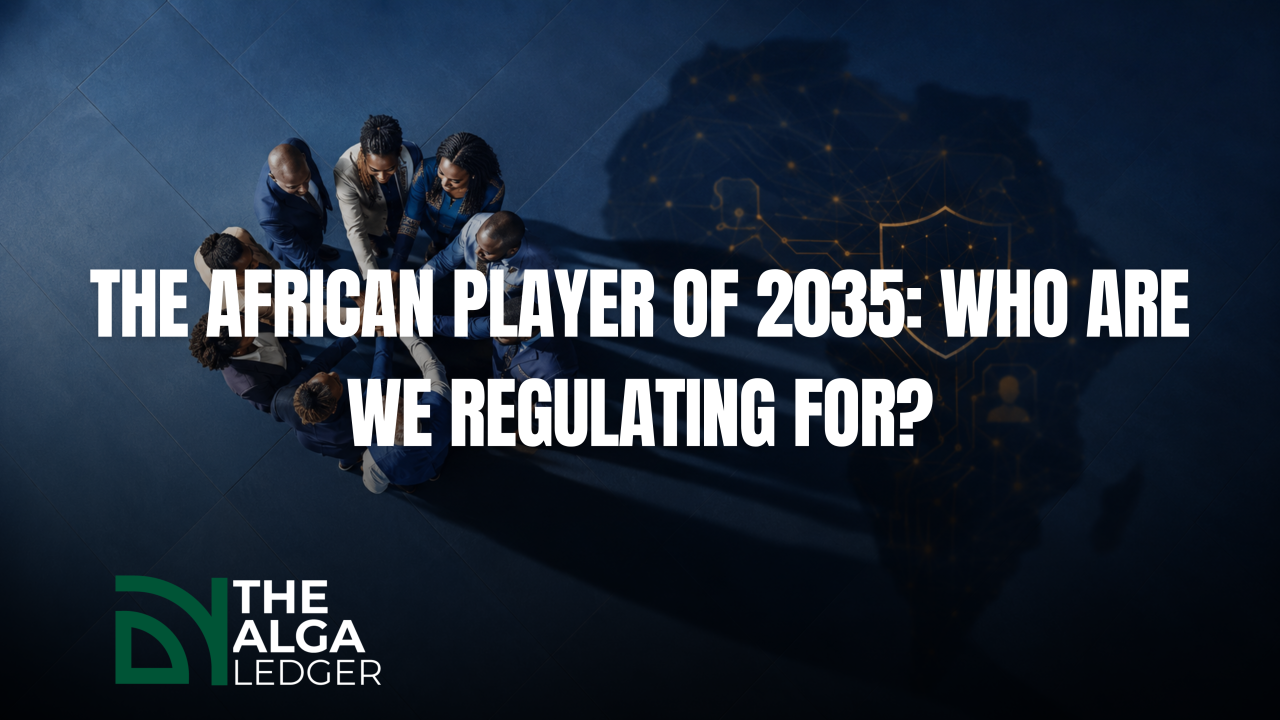
Every generation reshapes the industries it inherits. Across Africa, a new generation is growing up in a world where smartphones, digital payments and Artificial Intelligence are no longer new technologies, they are simply part of everyday life. The way people connect, spend, learn and access entertainment is changing rapidly and the gaming and lottery industry is evolving alongside these changes.
As innovation continues to transform the continent, it presents both exciting opportunities and important responsibilities for regulators, operators and industry stakeholders. This raises an important question: Are we preparing for the African player of tomorrow, or are we still regulating for the player of yesterday?
Africa is home to the world’s youngest population, and over the coming years millions of young people will enter adulthood in an increasingly digital society. According to the United Nations this growing youth will play a significant role in shaping the continent’s future. At the same time, the GSMA’s Mobile Economy Africa report highlights the continued expansion of smartphone adoption, mobile connectivity and digital service. These trends suggest that tomorrow’s gaming players will be more connected, more informed and more comfortable using digital platforms than ever before.
For many future players, visiting a betting shop or purchasing a paper lottery ticket may become less common. Instead gaming experiences are likely to take place through smartphones, digital wallets and online platforms that offer speed, convenience and personalised experiences. Artificial Intelligence, digital identity verification and data driven technologies also have the potential to improve customer experiences while strengthening responsible gaming measures. However, innovation should never come at the expense of responsibility.
As the African player of 2035 behaviour continues to evolve, regulation must evolve with it. Protecting tomorrow’s players may require stronger age verification, responsible advertising, improved digital consumer protection and greater collaboration between regulators and operators. It is also worth recognising that the African player of 2035 will not only be a player. Many young Africans are already building careers as software developers, cyber security specialists, data analysts and entrepreneurs. As the gaming industry expands, there is an opportunity to create pathways for young professionals to contribute to innovation, regulation and the long-term sustainability of the sector.
Although African countries continue to develop regulatory frameworks that reflect their own unique markets, technology is increasingly connecting players across borders. This creates an opportunity for greater cooperation between regulators, industry associations and operators as they work towards shared goals of consumer protection, responsible gaming and sustainable industry growth.
Preparing for the African player of 2035 is not simply about responding to new technology but rather about understanding how society is changing and ensuring that regulation remains relevant in a rapidly evolving digital environment. The decisions made today will influence not only how the industry grows, but also how effectively it protects consumers and earns public trust in the years ahead.
The future of African gaming is already taking shape through the choices, expectations, and behaviours of a new generation. As the industry continues to evolve, we, as stakeholders and builders of its future, must ask ourselves a more fundamental question: are we willing to build regulatory systems that anticipate tomorrow's realities rather than simply respond to yesterday's challenges? If the African player is evolving, shouldn't our thinking evolve with them as well?
REFERECES:
- GSMA. The Mobile Economy Africa, 2026.
- United Nations. World Population Prospects, 2024.